About St. Mark's
St. Mark's Church History
St. Mark's Church 1896-1965
The origins of St. Mark's go back to 1866 as Dalton endured the bleak uncertainties of the Reconstruction era immediately following the Civil War. "War and the torch have left us very poor", wrote the Wardens and Vestry to the Diocese of GA in 1867, but with remarkable optimism, a cornerstone was laid in 1869 for a building capable of seating 300. Over the next generation the congregation's growth was modest, however, and in 1896 a smaller church was built, seating about 100.
For the next six decades St. Mark's languished, reduced to the status of an organized mission and surviving only through the tireless dedication of a small core of laypersons. In the early 1950's national church authorities recommended the closure of the church, but thanks to sympathetic support from the Diocese of Atlanta, a new era began in 1952 with the appointment of a resident priest who was the parish's first genuine pastor. Under his leadership and that of his six successors, St. Mark's grew from an aided parish on the periphery of the diocese to that of a "program" church. In 1965 the congregation built the present facilities, which were expanded in 1978 and again in 1988. From this place it established a tradition of diverse and penetrating outreach to the community that has ranged from an ongoing inclusive preschool for both typical and special needs children to the founding of the local Hospice movement to the opening of a medical clinic for low income and homeless people.
After 20 years of ministry at St. Mark’s, the departure of Reverend Charles Dean Taylor in 2010, along with the devastating impact of the economic recession on the local economy, had a profound influence on the spirit and strength of St. Mark’s. The following seven years brought a series of changes and turnover in the leadership of the church clergy. These ministers to St. Mark’s faced the challenges of decreasing budgets, smaller administrative staff, and difficulties in parochial ministry. These circumstances led the church to a period of conflict and uncertainty. The Rev. Beth Royalty, along with the vestry, started the church on the path of discernment of who we are as a church family and what we are to become as a church working in love within our walls and within our community.
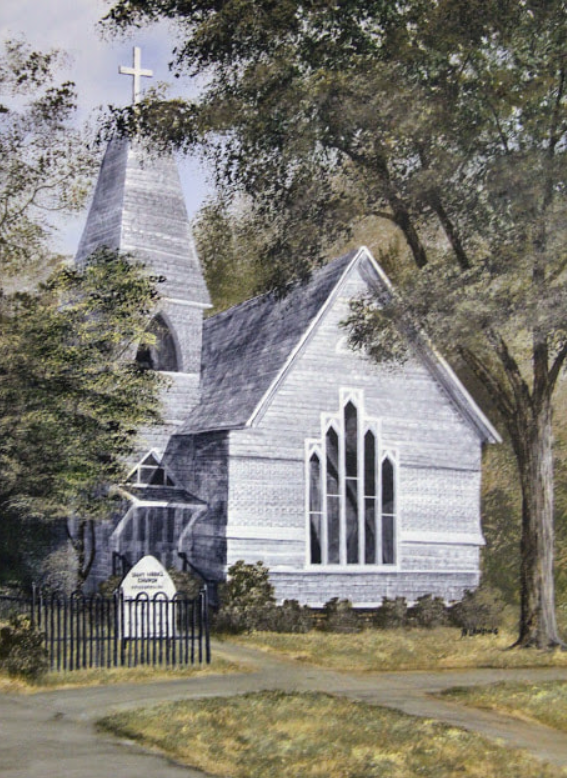
The spring of 2017 was a period of celebration for St. Mark’s. Our 150th anniversary as an Episcopal Church included the Bishop, the community, current and former members of the parish and several former priests. The two day observance brought us together in worship, thanksgiving, fellowship and honor of the history of St. Mark’s. The arrival of interim rector Susan Butler brought new inspiration and direction to St. Mark’s, continuing the path of discernment already in motion. The church achieved a new level of stability, and the vestry and parishioners found renewed dedication and energy. The growth begun at that time led ultimately to the calling of our current priest, the Rev. Rick Tiff, in April 2021. Under Father Rick's leadership, now halfway through its second century, St. Mark’s looks to the future in a spirit of service, outreach, and joy; worshiping together as we continue on God’s journey.
BELIEFS
What is an Episcopalian?
While the beliefs of individual parishioners may vary widely, we as a collective church look to guidance from the Holy Scripture, Tradition, and Reason.
The Three-Legged Stool, or Tower of Anglicanism
The Anglican understanding of authority is often associated with the sixteenth-century theologian Richard Hooker, whose writings emphasized three sources for discerning Christian truth: Scripture, Tradition, and Reason. Although Hooker himself never used the phrase "three-legged stool," later Anglican writers adopted this image to illustrate how these three sources work together in the life of the Church.
Another helpful analogy is that of a tower. In this illustration, Scripture serves as the foundation upon which everything else rests. Because it is the inspired Word of God, Scripture provides the primary source and standard for Christian faith and practice.
Tradition is built upon the foundation of Scripture. It includes the teachings, creeds, and practices of the historic Church—such as the Nicene Creed—which guide the Church in faithfully interpreting Scripture. Tradition cannot contradict Scripture, for it depends upon Scripture as its foundation.
Finally, Reason rests upon both Scripture and Tradition. Reason enables Christians to understand, explain, and apply biblical truth and the Church's teaching to contemporary questions and circumstances. Like the upper levels of a tower, reason can only stand securely when it is supported by the firm foundation of Scripture and the guidance of Tradition.
Together, Scripture, Tradition, and Reason form the Anglican method of theological reflection. Scripture remains the ultimate authority, Tradition provides the wisdom of the historic Church in interpreting Scripture, and Reason helps believers faithfully apply these truths to their lives and to the challenges of each generation.
We as a collective church body look to guidance from the Holy Scriptures, church leadership (which includes Priests, Laypersons, our local Diocese and the National Episcopal Church), and one another.
Diocese of Atlanta
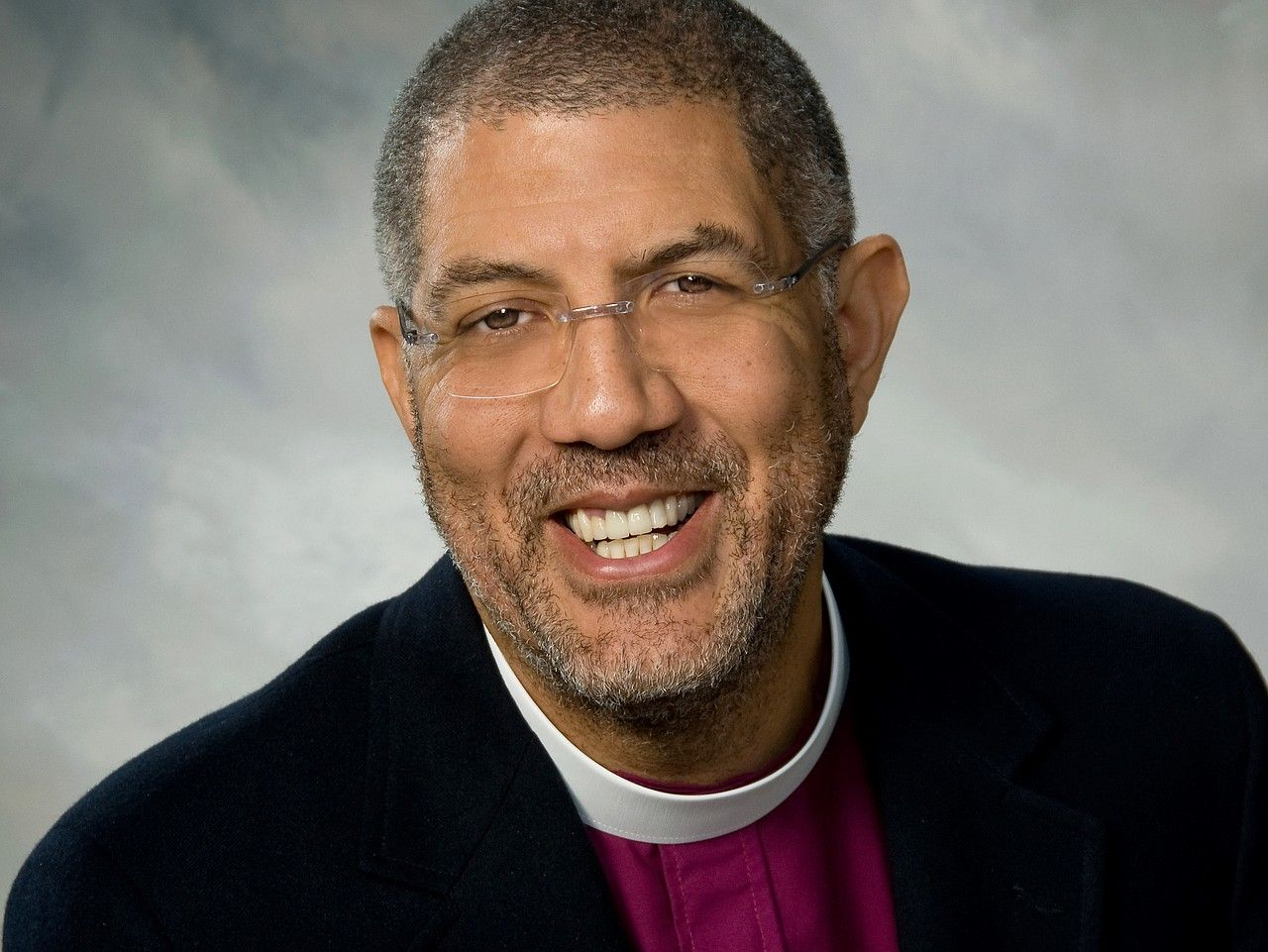
St. Marks is a member of the Diocese of Atlanta, whose presiding Bishop is the
The Right Rev. Rob Write. To discover more about the diocese, click
More Info below.
National Episcopal Church
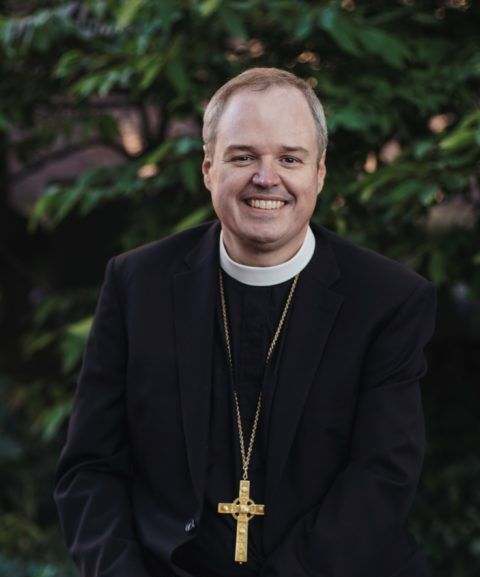
St. Mark's is also a part of the greater Episcopal communion of the United States. The presiding Bishop of the National Episcopal Church is The Most Rev. Sean W. Rowe. To discover more about the National Episcopal Church, click More Info below.
Our Staff and Volunteers
Leading St. Mark's life and ministry is a shared responsibility of members, clergy and staff. The Staff includes professional worship leaders and administrators. Many other members are involved leading ministry teams and groups. You can find more information about these areas below.
St. Mark's Staff
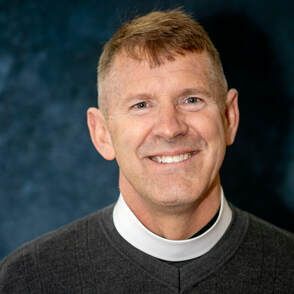
Father Rick Tiff
Rector
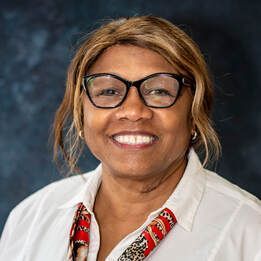
Eunice Cooper
Office Administrator
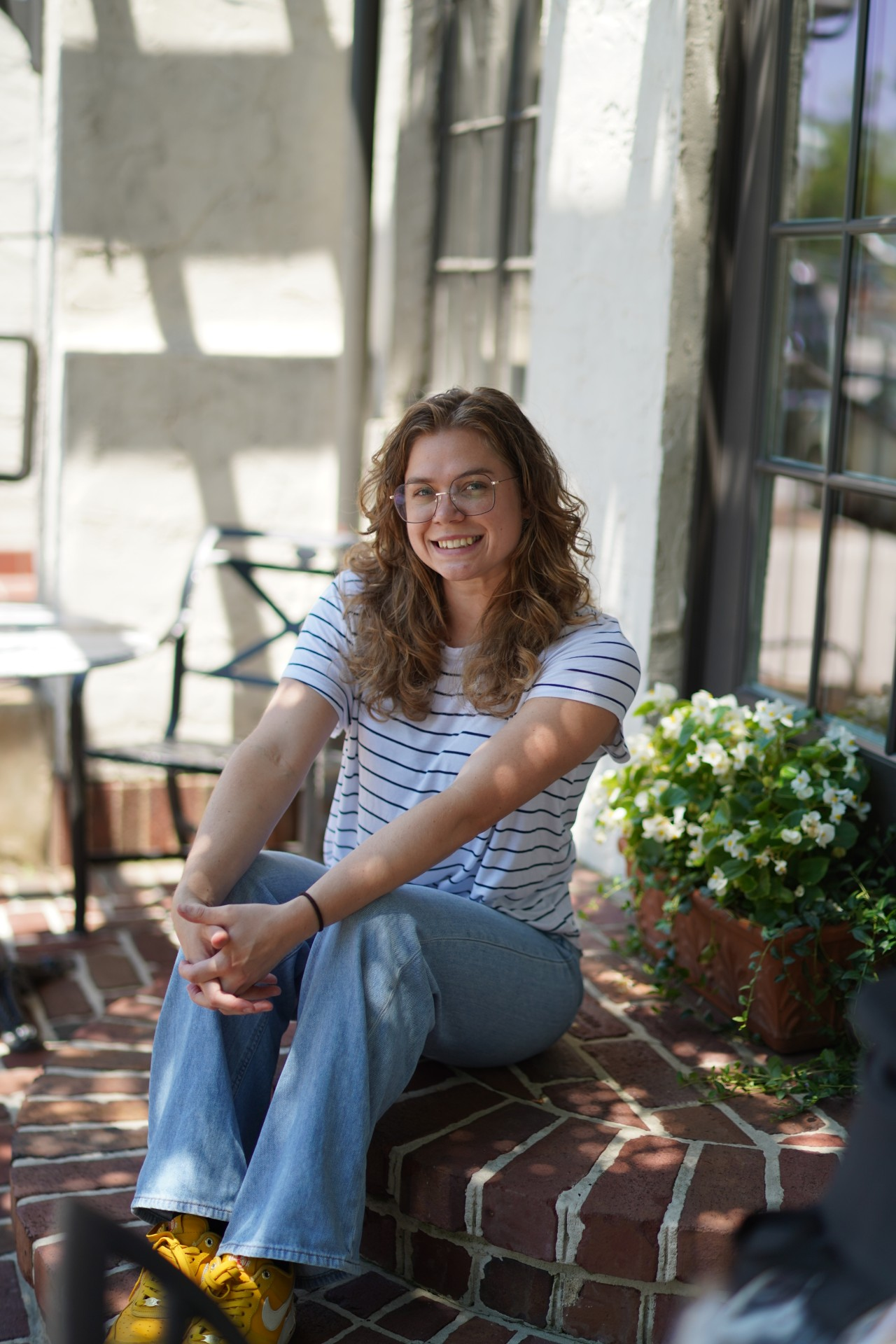
Jordan Schmidt
Assistant Administrator
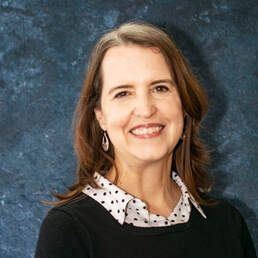
Beth Nichols
Music Directoraph
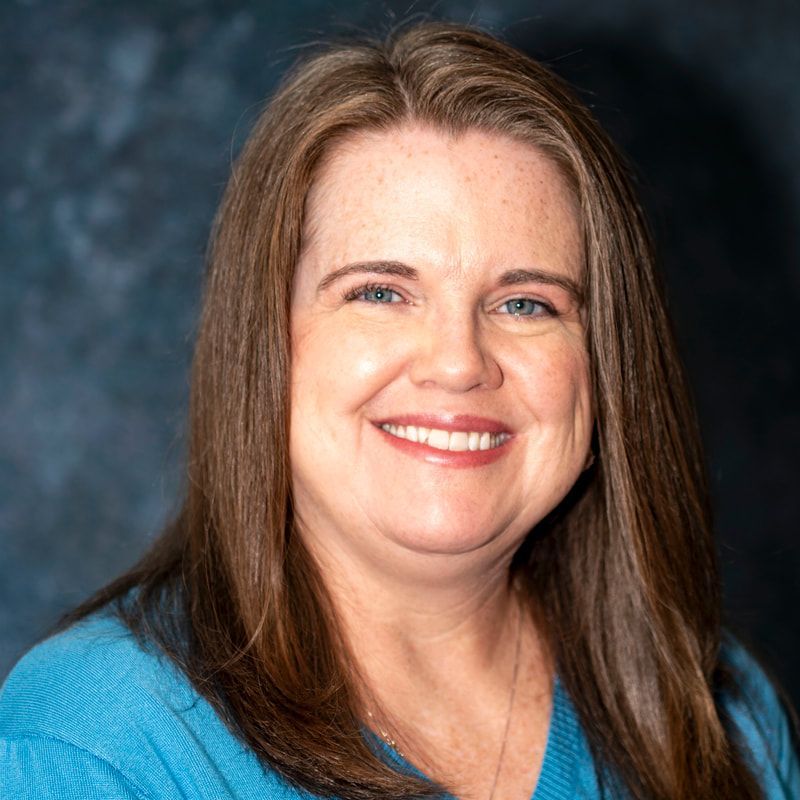
Christi Martin
Preschool Director
St. Mark's Vestry
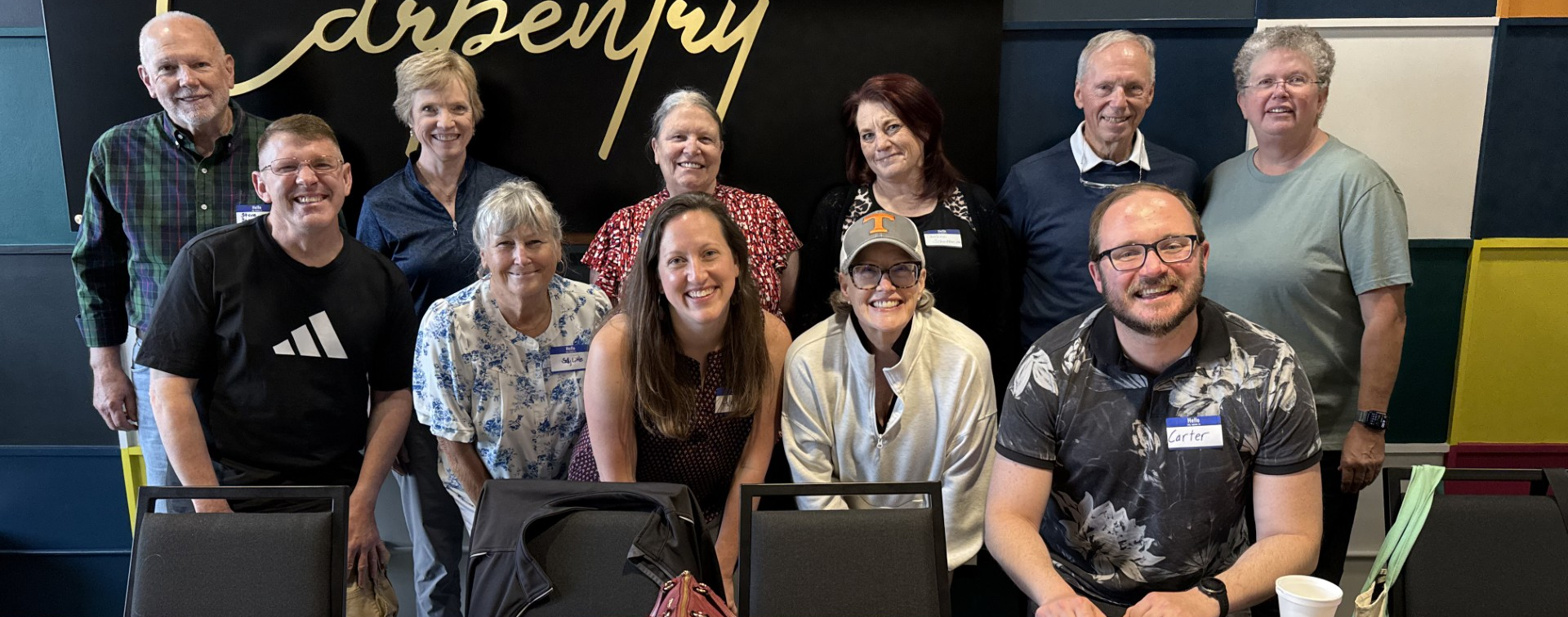
The Vestry is an elected governing board whose members have designated responsibilities and serve for three year terms. The Senior Warden is appointed by the Rector for a one year term, and the Junior Warden is elected each year by the Vestry.
Sr. Warden
Nancy Nelson
Jr. Warden
Melinda Barton
Worship
David Chapman
Pastoral Care
Sally Little
Christian Education
Nancy Nelson
Children and Youth
Deb Harrington
&
Alex Hunt
Physical Plant
Jerrid Thompson
&
Mike Renfroe
Acolyte Development
Deb Harrington
Landscaping and Grounds
Steve Sarratt
Outreach
Carter Thomas
Finance
Tracey Burke
Church Growth and Development
Melinda Barton
Parish Life
Chris Stanley
Communication
Caroline Schusterick
Preschool
Devon Brooks
Email:
Admin@stmarksdalton.org
Phone:
706 278 8857
Office Hours:
Mon: 9AM-2PM
Tue: 9AM-2PM
Wed: 9AM-2PM
Thurs: 9AM-2PM
Fri: Closed
Sat: Closed
Sun: Closed
Address:
901 W Emery St. Dalton Ga 30720